You can see how this popup was set up in our step-by-step guide: https://wppopupmaker.com/guides/auto-opening-announcement-popups/
What Is a Fable? Definition, Characteristics, and Famous Examples
For ages past, literature has served as an effective means of conceiving lessons, morals, and traditions via storytelling, and everywhere one looks, there is a story. Among the finest teaching methods, fables shine for imparting wisdom through short yet weighty tales. So, what is a fable?
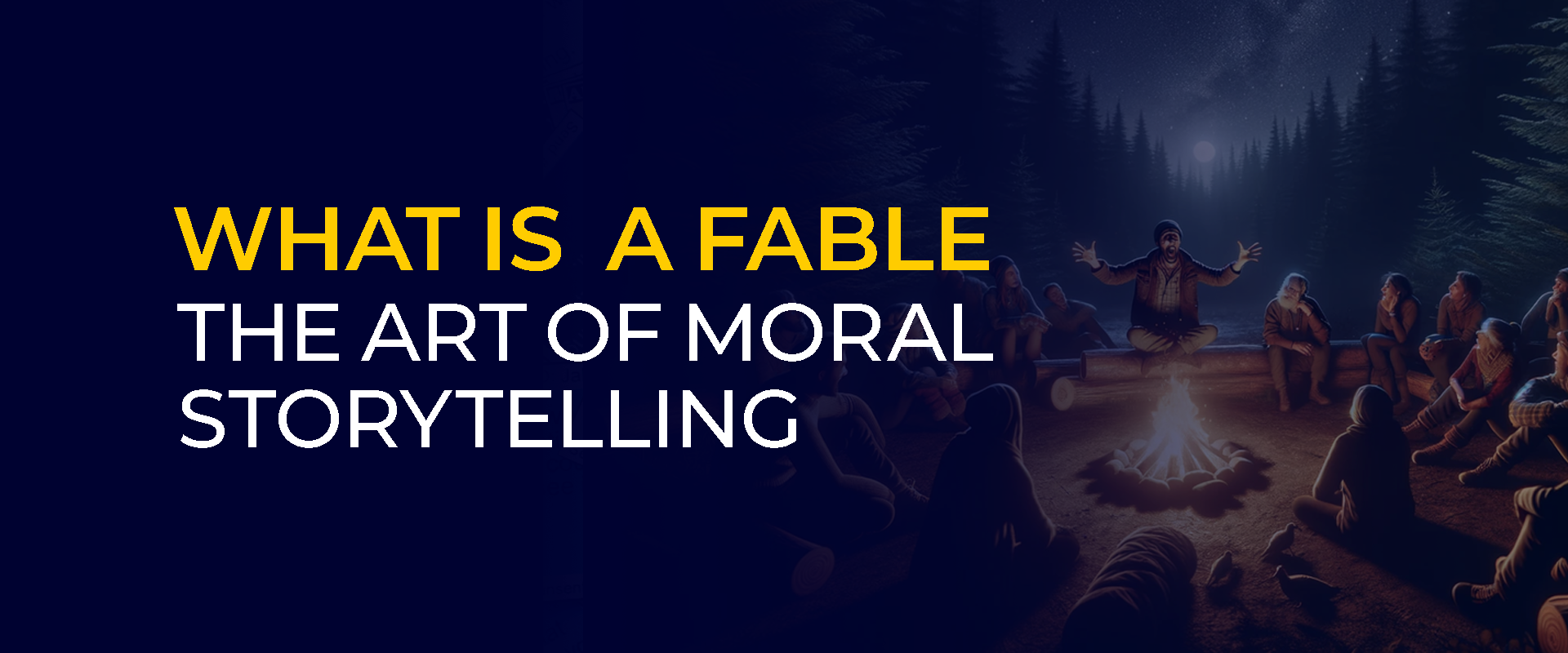
Note: A fable is a short story that illustrates a moral lesson. Similar to fables that teach wisdom, FastestVPN ensures online security by safeguarding data and offering a safe browsing experience on the internet.
What is a Fable?
A fable is a short story intended to convey a moral lesson, wherein creatures that sometimes possess human traits, such as speaking and reasoning, are the main actors. Those characters might be animals, plants, or other natural forces that are made to possess anthropomorphic qualities such as speech, reasoning, and emotional expression, or, quite simply, being human.
The plot of a fable consists of a relatively simple conflict followed by its resolution, along with a maxim, which is a short statement summarizing the lesson of the story. Therefore, fables are meant not just for entertainment; instead, they are to instruct people in the proper ways of life.
Characteristics of the Fable
To understand what exactly sets a fable apart, we will go through its most prominent characteristics.
- Short and Concise: Fables are exceptionally brief, thus avoiding the necessity for remembering so much detail.
- Moral Lessons: Each fable teaches an ethical or moral lesson.
- Anthropomorphized Characters: Animals, plants, and even objects act like humans.
- Basic Plot: The structure follows a basic conflict-resolution format.
- Maxim: The story ends with a lesson in a proverb or a straight statement.
The Structure of a Fable
A fable has a simple but really effective structure.
- Introduction: The setting and characters are revealed in the book.
- Conflict: A problem arises, needing some sort of resolution.
- Climax: What occurs is the turning point in the story and in the characters’ reactions to the conflict.
- Resolution: One or the other way, the conflict is resolved, and most often, it is unexpected or ironic.
- Moral: The moral or maxim is either specifically stated or implied.
Some of the most famous fables have been passed down for centuries. Here are a couple of examples:
- Tortoise and Hare – Aesop’s Fables
A fable tells how a tortoise and a hare end up in a running competition. Obviously, believing it is faster than the slow tortoise, a hare takes the chance of sleeping through the race. He wakes only to find that the tortoise has won, and the moral is “Slow and Steady Wins the Race.”
- The Fox and the Grapes
A Fox once saw a great bunch of grapes hanging high on a vine and planned to reach it and eat it. After many attempts, the Fox beheld the grapes still dangling and did not bother to make another attempt. The fox finally declared that the grapes were sour anyway. The moral of the story says that it is often despised what cannot be possessed.
- The Lion and the Mouse
A little mouse’s kindness comes in handy for a mighty lion; it will liberate him from a hunter’s net, illustrating how even the smallest creatures can afford great help. Moral: “No act of kindness is ever wasted”.
Why Are Fables Important?
They instill a very constructive and valid role in values and ethics, and there are several reasons why fables are necessary. The most important are:
- Education: They teach the children the difference between right and wrong in a very simple way.
- Culture Value: Fables have been used to preserve tradition and morals across cultures.
- Universal Morality: The moral of the fables applies to everyone, regardless of age, creed, or caste.
- Entertainment with a Message: Fables do amuse, but fables do so very specifically with the message of life and morals.
Fables In Present Times
Fables have not lost their relevance today. Even with fast technology and digitally driven entertainment, fables are still effective in imparting morals through easy storytelling. Modern-day fables are adapted into animated films and children’s books and are even taught in corporate training programs.
Just as fables deliver moral lessons, cybersecurity awareness campaigns highlight the hazards of the online world and the need to protect individual information safety. FastestVPN makes the digital experience as secure as fables do, providing guidance in everyday life. Use FastestVPN’s servers to get the security that is needed for your device and get the best security for your device and private information.
Tales of the New Age and the Digital World
The story has not ended with such and such forms creating fables; rather, it is an even better format with digital content. They include:
- Animated Shorts: Now, platforms like YouTube display modern adaptations of all-time favorite fables.
- Electronic Interactive Books: Increased digitized telling activity enhances the involvement of the young audience in story engagement.
- Corporate Messaging: Companies like FastestVPN also adopt very engaging fable-like storytelling, communicating the importance of cybersecurity to their Target Audience.
- Social Media Campaigns: Short, moral-based narration is used to spread awareness on relevant social and ethical issues.
FAQs – Fables
A very popular fable is The Tortoise and the Hare by Aesop. It highlights the story of a slow but determined tortoise who wins a race against an overconfident hare. The moral of the fable is that it teaches the lesson that “slow and steady wins the race.” An example of a fable is The Fox and the Grapes, where a fox, unable to reach some grapes, declares they must be sour. The story explains the lesson that people often criticize what they cannot have, leading to the phrase “sour grapes.” The full meaning of a fable is a short story with a moral lesson, usually featuring animals or objects that act like humans. Fables are used to teach values, ethics, and life lessons in an engaging way. What is the most famous fable?
What is an example of a fable?
What is the full meaning of fables?
To Conclude – Fables
What is a fable? A fable is a short tale that teaches moral lessons and comprises anthropomorphized characters, a simple conflict, and a clear resolution. For centuries, fables have been a cornerstone of storytelling, teaching subsequent generations the value of honesty, perseverance, and wisdom.
Once again, contemporary storytelling imparted by fables is used in modern society to shape attitudes toward certain concepts, such as that of cybersecurity, whereby companies such as FastestVPN have a significant role in integrating protection for online users. Next time, whenever you read or hear a fable, think about the real lesson behind the simple but powerful narrative. Old-style tales or modern digital storytelling, fables still teach us to learn and grow.
Take Control of Your Privacy Today! Unblock websites, access streaming platforms, and bypass ISP monitoring.
Get FastestVPN
Subscribe
0 Comments