


Get
93% Off!
on Lifetime Exclusive Deal
Don’t Miss out this deal, it comes with Password Manager Free of cost.

The secondhand fashion world moves fast these days, and Depop sits right in the middle of it all. Plenty of people type Is Depop legit into search bars because stories about great finds mix with warnings about scams and headaches.
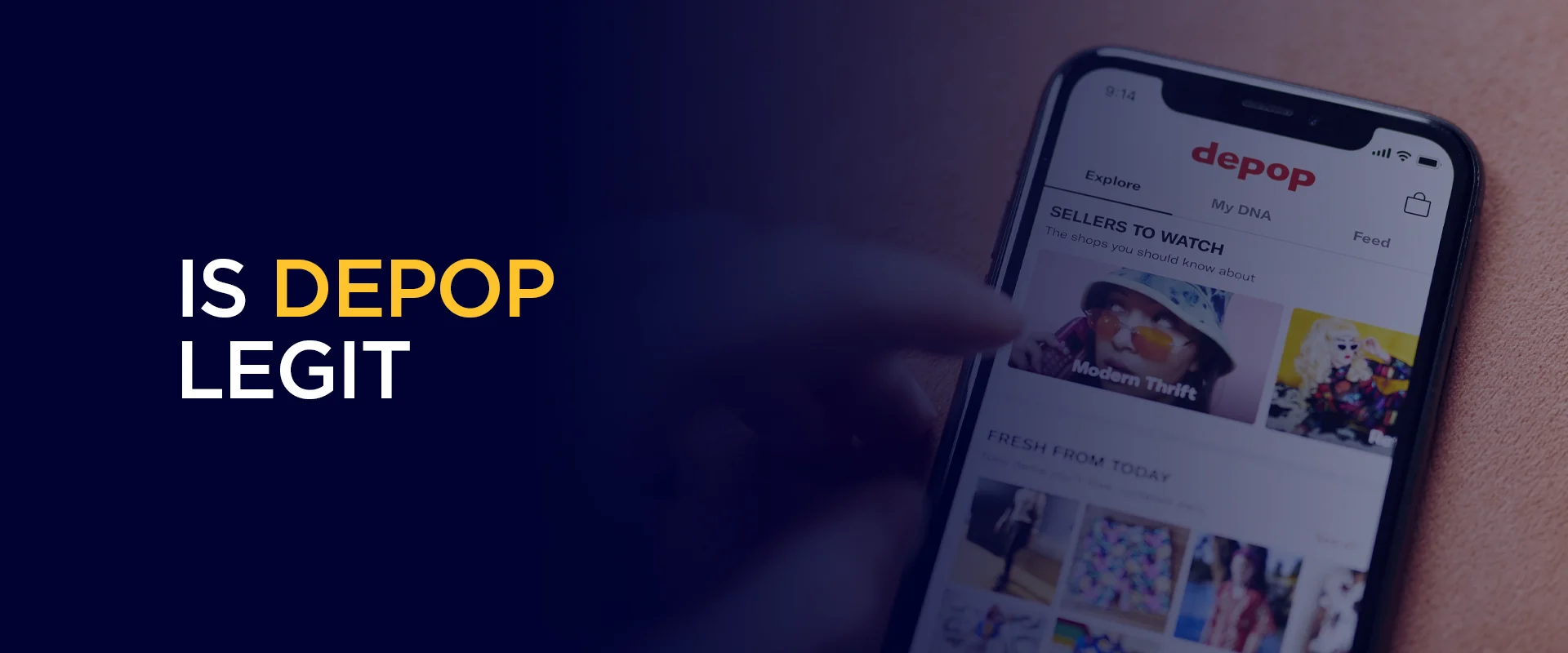
Depop works as a real platform with actual backing. Etsy purchased it years ago, and millions of users scroll through listings every single day. Real money changes hands constantly. Yet the setup where regular people sell to regular people opens the door to problems if users drop their guard.
Note: Protects connections while browsing or handling accounts. Services like FastestVPN help encrypt traffic and shield information on open networks.
Depop feels like a blend of Instagram scrolling and a busy flea market. People flip through endless photos of clothes, shoes, bags, and random vintage treasures. Sellers throw up listings with several pictures, throw in descriptions, slap on prices, and hope messages roll in. Buyers hunt around, throw out offers, chat inside the app, and pay through the built-in system.
The app first appeared in the UK back in 2011 and took off with younger crowds who wanted stuff that didn’t look like it came from every mall in America. It leans hard into unique vibes: Y2K revival pieces, streetwear drops, thrifted jackets, and anything with real character. After Etsy stepped in, payments smoothed out, and the whole operation gained more structure. Current numbers show well over 43 million accounts, with the busiest crowds in the US, UK, and Australia.
Listings run the full range, like dirt-cheap basics pulled from local thrift spots all the way up to rare sneakers or designer pieces that cost hundreds. The algorithm rewards shops that stay active and post sharp photos. Sellers who put in real effort with lighting, angles, and honest write-ups move more items.
Is Depop legit from a business angle? The facts line up. Official rules, fee breakdowns, and support pages all exist. The company pulls in money mostly through small cuts on sales rather than charging to list in major countries. This approach suits people just clearing out closets as well as those turning it into steady side work.
Unique items pull a lot of users in. Shoppers stumble on brands and styles that never show up in normal stores. The feed delivers that thrill of digging through someone else’s closet without leaving the couch.
Sellers like the easy entry. New profiles can start listing right away without jumping through too many hoops. Fees stay reasonable, usually a few percent after something sells. Plenty of people begin with their own unwanted clothes and end up building real momentum once they figure out the rhythm.
Buyer protection activates when deals go through the official payment flow and shipping labels. This setup helps when packages never arrive, or items look nothing like the pictures. Not every case ends perfectly, but many users walk away with refunds.
The sustainability angle hits home for a lot of people. Depop pushes the idea of giving clothes second lives instead of filling landfills. Prices often sit at half or less of original retail tags, which lets users update their look without blowing budgets. Plus, the social side feels different. Following shops and jumping into trends creates more connection than cold checkout buttons on bigger sites.
Is Depop legit without any catches? Not quite. Support tickets sometimes sit for days with copy-paste answers. Disputes drag out longer than they should. Review sites show decent marks for selection but lower ones when it comes to fixing issues or catching fakes.
Scams thrive in this kind of open environment. Anyone can create a shop and post items. Fake luxury goods and hyped sneakers pop up more than users want to admit. Some sellers collect payment then vanish. Others try hard to move chats outside the app to skip protection rules.
New sellers often feel invisible at first. The algorithm pushes accounts that post daily and get engagement. Shipping expenses add up fast on smaller sales. Quality jumps all over the place because individual sellers decide what counts as “good condition.” Sizes get listed wrong. Flaws get hidden behind clever angles.
These headaches explain why the Is Depop legit question keeps coming up. The platform delivers results, but only when users stay sharp.
Depop puts basic security measures in place encrypted checkouts, account flags, and report tools. Staying inside the app for payments and shipping raises the safety level compared to random marketplace groups.
Problems still sneak through because real humans sit on the other side of every listing. Most trouble starts when someone gets talked into external payment apps or shady links. Protection programs kick in for plenty of cases, but they skip anything that leaves official channels.
Both buyers and sellers run into trouble. Some fake buyers ask for verification codes that steal access. Others create listings using stolen photos from real shops and disappear once money hits. Counterfeit items arrive with copied tags but completely different quality.
Watch for prices that seem impossibly low, brand-new accounts with blank histories, messages that rush the deal, or requests to switch to personal text or cash apps. Vague descriptions and low-quality photos deserve extra attention.
The best defense stays simple: finish every step inside Depop. Ask for close-ups of tags, inside seams, and exact measurements. Read every review, even the bad ones. Record unboxing moments in case something goes wrong later.
Stories from users paint a mixed but honest picture. Buyers celebrate landing perfect vintage pieces that finish outfits or stretch tight budgets into full wardrobes. Sellers who learn good photography and trend timing often build reliable extra income.
Other reports focus on disappointments. Packages show up damaged or completely different from descriptions. Support responses take forever. Fake items sometimes slip through despite claims.
Clear patterns stand out. Users who research sellers, save all records, and avoid outside deals report stronger results. Chasing deals that look too perfect usually ends in regret. People who treat Depop seriously, tracking what sells and adjusting, tend to do better than casual drop-ins.
Stick with official checkout every single time. Dig into seller ratings and scan recent feedback. Fire off specific questions before hitting buy. Compare prices across similar items to spot fair value.
Test the waters with smaller purchases first. Low-cost items teach the process without big losses. Keep screenshots of every conversation and listing. Choose tracked shipping options without exception. Check saved searches often for fresh drops.
Strong shops post fresh content with clear, bright photos shot from every useful angle. Descriptions stay detailed but upfront about any wear or sizing quirks. Quick replies turn casual questions into paid orders. Prices factor in fees, shipping, and room for profit.
Clean, careful packaging creates good impressions and brings repeat business. Shops that follow current trends while keeping a consistent look build recognition faster. Many sellers track stock across a few platforms and shift focus to whatever moves quickest. Steady positive reviews push listings higher in results.
Depop stands apart with its visual, social-style browsing. Poshmark shares some community energy but runs different events and fees. Vinted draws users with no seller fees in certain places but handles protection its own way. Grailed narrows down to streetwear crowds. Traditional options like eBay reach more people overall but miss that trendy feed feeling.
Depop fits best when the goal involves fashion with personality aimed at younger crowds. The endless scroll keeps people engaged longer than plain search pages.
Serious participants run Depop like an actual operation. They study trends, hunt good sources at thrift runs and sales, and fine-tune every listing. Learning how different brands fit cuts down returns. Timing posts around seasons warm layers before fall, lighter pieces before summer matches buyer habits.
Anyone moving real volume needs to track earnings for taxes. Platform updates keep adding tools that reward active, clean shops. Staying on top of changes creates real edges.
Depop can handle luxury items but lacks the special authentication services some dedicated resale sites offer. Buyers need to push for strong proof, multiple tag shots, and any original receipts. Sellers with solid histories and clear details close these deals more often. Extra care always makes sense with higher prices. Protection mainly covers purchases finished through the app with official shipping. It steps in for missing packages, big mismatches in condition, or damage during delivery, but only within set time limits. Evidence like photos and messages helps cases move forward. Many users recover money when they document everything properly, though some situations take longer than hoped. New users build momentum by starting with their own stuff and nailing the basics sharp photos, real descriptions, and fast answers. Checking similar listings first prevents pricing mistakes. Regular activity and lessons from early sales usually create steady progress after the first couple of months. Report it immediately using Depop tools and include every screenshot. Cut off contact with the account. File disputes fast if the app handled payment. Staying inside the platform from the start prevents most of these situations anyway. Does Depop work well enough for expensive designer or luxury pieces?
How strong does Depop buyer protection actually run?
Can total newcomers get anywhere on Depop?
What happens right after spotting something scammy?
Is Depop legit depends on going in with open eyes about how peer-to-peer fashion sites operate. The platform creates real chances for fresh finds and extra earnings when users stay careful and informed. Smart habits, like finishing deals inside the app, checking details thoroughly, and keeping solid records, cut down problems and boost wins.
The secondhand shift keeps building as sustainability matters more, and Depop holds a solid spot in that change. Preparation and respect for the risks turn Depop into something useful instead of frustrating.
Take Control of Your Privacy Today! Unblock websites, access streaming platforms, and bypass ISP monitoring.
Get FastestVPN
© Copyright 2026 Fastest VPN - All Rights Reserved.
Don’t Miss out this deal, it comes with Password Manager Free of cost.