You can see how this popup was set up in our step-by-step guide: https://wppopupmaker.com/guides/auto-opening-announcement-popups/
What Is a Checksum Error? Causes, Fixes, and Prevention Tips
Checksum errors are common and can occur during file transfer or when downloading a file to your system. If you don’t know what’s causing it, it can be confusing to know what steps to take next. In this guide, you’ll learn what a checksum error actually means, why it happens, and how to resolve it step by step.
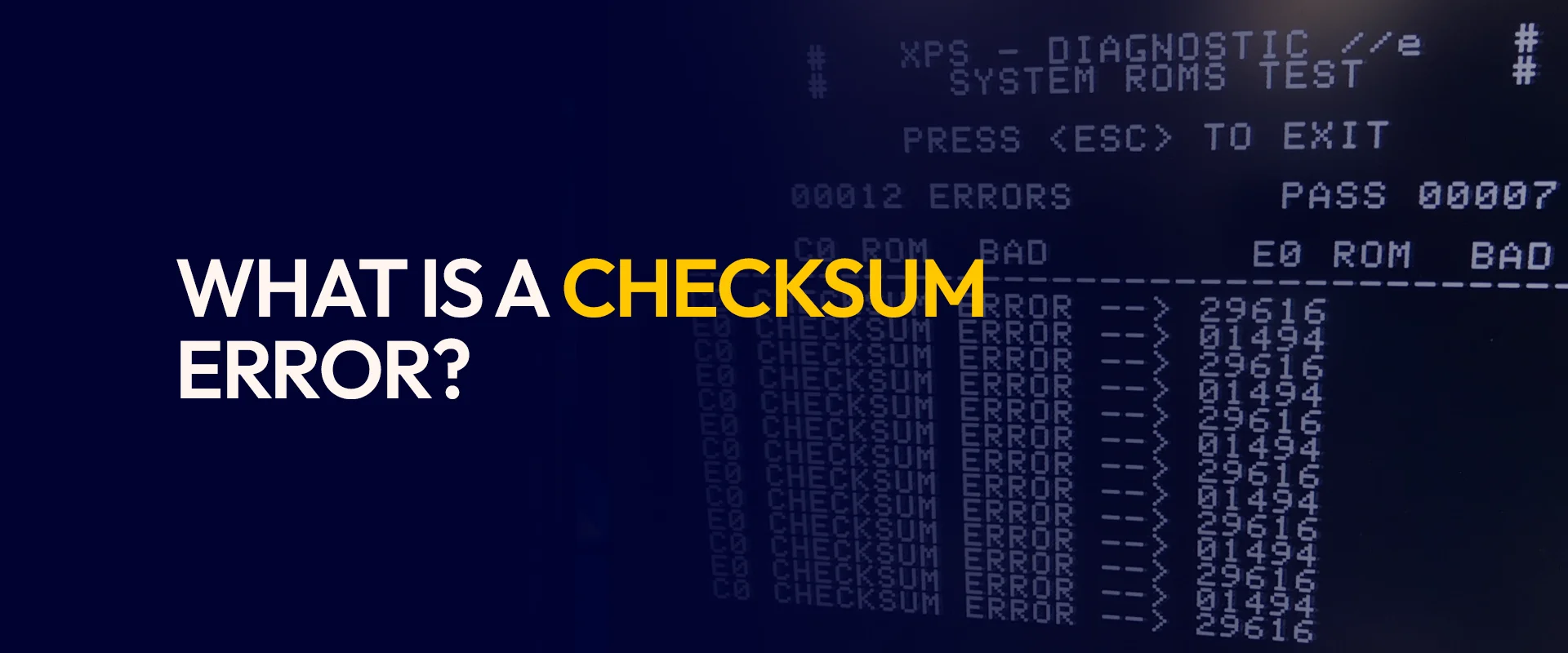
Quick note: if you’re seeing a checksum error on startup (something like “CMOS Checksum Error” or “System CMOS Checksum Bad”), that’s a different issue related to your motherboard’s BIOS settings, not a file download problem – this guide covers file and download checksum errors specifically.
What Is a Checksum?
A checksum is a unique string of characters generated from a file’s data using a hashing algorithm, most commonly MD5, SHA-1, or SHA-256. Think of it as a digital fingerprint: even a tiny change to the file, a single altered byte – produces a completely different checksum.
When a file is published for download (software installers, ISO files, GitHub releases, etc.), the source often publishes the file’s official checksum alongside it. After you download the file, you can generate its checksum yourself and compare the two. If they match, the file is identical to the original and hasn’t been altered or corrupted. If they don’t, something changed along the way.
What Is a Checksum Error?
A checksum error occurs when the checksum you calculate for a downloaded or transferred file doesn’t match the checksum published by the original source. This mismatch tells you the file isn’t identical to the original, it may be incomplete, corrupted, or in rarer cases, tampered with.
Also Read: How to Fix Hulu Error Code RUNUNK13
Why Does a Checksum Error Occur?
There are several common causes:
Internet Issues If your connection drops or slows down mid-download, the file may not transfer in full, resulting in an incomplete file and a checksum mismatch.
Damaged Devices Storage devices like USB drives and SD cards can develop bad sectors – small damaged areas that prevent data from being written or read accurately, corrupting the file in the process.
Software Bugs Bugs in the software handling the transfer can create duplicate or incomplete copies of your data, altering the file and its checksum.
Malware or Tampering If a file is modified after it left its original source, whether by malware or by an unauthorized third party – its checksum will no longer match the official one. This is actually one of the main reasons checksums exist: to catch this kind of tampering before you open a compromised file.
Interrupted Downloads Power outages, crashed applications, or a dropped connection mid-download can all leave you with a partial file. Since even a small missing chunk changes the resulting hash, this will trigger a checksum error.
Compressed File Issues Compressing a file into a ZIP or RAR archive and later extracting it introduces another step where corruption can occur particularly if the extraction process is interrupted or the archive itself was incomplete.
How to Fix a Checksum Error
1. Re-download the file Start with the simplest fix is download the file again from its original, official source rather than a mirror or third-party host.
2. Check your internet connection An unstable connection is one of the most common causes. Restart your router or switch networks if you’re on an unreliable connection, then try the download again.
3. Verify the checksum yourself, locally Avoid uploading your file to random third-party “checksum comparison” websites you shouldn’t hand an unverified file (or your data) to a service you don’t know. Instead, generate the checksum using your operating system’s built-in tools:
- Windows: Open Command Prompt and run
certutil -hashfile "filepath" SHA256(replace “filepath” with your file’s actual path), or use PowerShell’sGet-FileHash "filepath". - Mac: Open Terminal and run
shasum -a 256 "filepath".
Compare the result against the checksum published by the file’s original source. If you can’t find a published checksum anywhere on the source’s official page, that’s worth treating as a caution flag on its own.
4. Scan your storage device Repeated checksum errors across different files can point to a failing drive.
- Windows: Open Command Prompt as administrator and run
chkdsk /fon the affected drive. - Mac: Open Disk Utility, select the drive, and click “First Aid” to check and repair it.
5. Move your data to a trusted device If your current storage device keeps producing errors, transfer your files to a different, known-working device and re-verify the checksum there.
6. Update your software Outdated download managers, browsers, or transfer tools can occasionally mishandle file writes. Make sure everything involved in the transfer is up to date.
7. Run a malware scan If a checksum mismatch appears on a file that should be trustworthy, scan it with antivirus software before opening it. A mismatch can be a sign of tampering, not just a technical glitch, don’t open or run a file that fails verification until you’ve confirmed it’s safe.
FAQs
What does a checksum error mean?
It means the checksum calculated for your file doesn’t match the checksum of the original file, indicating the file was altered, corrupted, or incompletely transferred somewhere along the way.
Can a checksum error damage my system?
The checksum error itself doesn’t damage anything, it’s just a mismatch warning. The risk comes from ignoring it: if you open or run a corrupted or tampered file anyway, that file could cause real problems, including installing malware. Treat a checksum error as a signal to stop and verify before proceeding, not something to click past.
Why does checksum verification matter?
It confirms a file hasn’t been altered since it was published whether due to a transfer error or, in more serious cases, tampering. Verifying it before opening a file is a simple way to avoid installing something malicious.
Where do I find the “official” checksum to compare against?
Legitimate software vendors and file hosts typically publish the checksum on the same page as the download itself (for example, next to an ISO file or a GitHub release). If you can’t find one listed anywhere, that’s worth being cautious about.
Conclusion
A checksum error simply means the file you have doesn’t match the original usually because of a dropped connection, a damaged drive, or an interrupted transfer, and occasionally because the file has been tampered with. Re-downloading from the original source, checking your connection, and verifying the checksum locally using your OS’s built-in tools will resolve most cases. If a checksum keeps failing on a file you can’t otherwise explain, don’t open it scan it first, and use a VPN and updated antivirus software as part of your regular routine to reduce the chances of downloading a compromised file in the first place.
Take Control of Your Privacy Today! Unblock websites, access streaming platforms, and bypass ISP monitoring.
Get FastestVPN Subscribe
0 Comments