You can see how this popup was set up in our step-by-step guide: https://wppopupmaker.com/guides/auto-opening-announcement-popups/
The Recruitment Trap: How to Spot and Avoid Fake Job Offers
Have you ever encounter a recruitment trap, where you loss all your personal details without actually landing to an authentic job offer? Job hunting can be thrilling, updating your resume and applying to great companies is exciting. Yet, you wait for emails that might never come because they fell into a scammer’s trap.
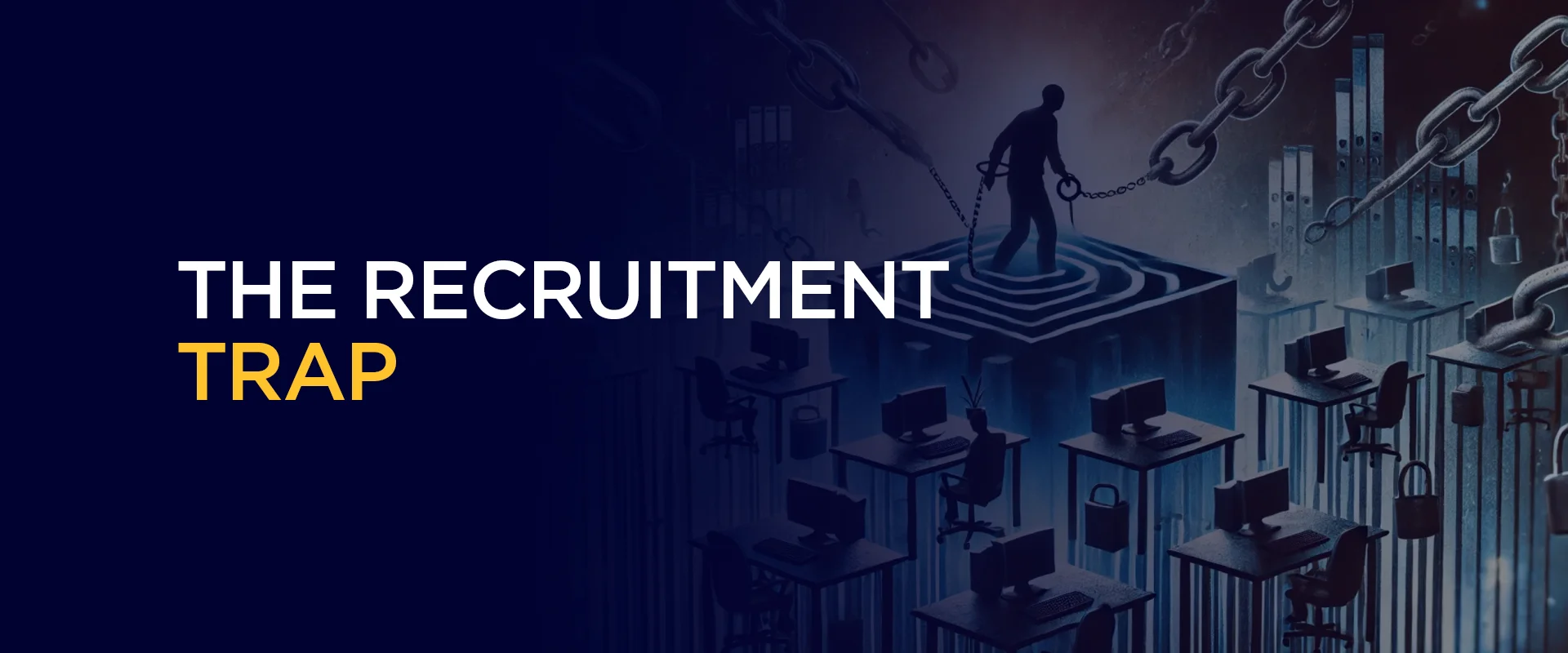
Scammers also know how vulnerable people looking for jobs can be. So, they exploit this with bogus job offers, which have grown really fast in the world of online fraud.
These so-called recruiters aren’t actually here to help job seekers at all. Instead, they send out phony emails just to get your password, personal info, or even cash.
After that, they can easily take over your social media accounts or install malware on your device too. Experts refer to this as the recruitment trap, so it makes sense to understand how it works and figure out ways to avoid it.
What Is a Recruitment Trap?
A recruitment trap is a scam posing as a legitimate job offer. Typically, it begins with an email, text, LinkedIn message, or ad for a job. Initially, things appear legit, they might use a company logo, give a recruiter’s name, and attach a job description.
Plus, some crooks set up bogus career sites mimicking real ones very closely. Their aim? To earn your trust. After they’ve got you believing them, they go for personal info, your login details, or get you to download harmful stuff. So, stay alert!
Recruitment Trap – Why Job Seekers Are Easy Targets
Job seekers mostly try to keep an eye on great job opportunities. It’s very alluring to immediately respond to a message about a high-paying job or a dream rule. However, keep in mind that scammers use this trick and take advantage of how people trust messages from what seems to be a trusted brand. These scammers already have the idea that these tricks always work because they know human nature, and these tricks make us think that the opportunity is real.
Also, since job hunters are ready to share info like resumes and contact details, scammers find the recruitment angle really works. This makes their scams super effective.
How the Recruitment Scam Usually Works
Most recruitment scams follow a similar pattern.
Step 1: The Initial Contact
You receive an unexpected email or message from a recruiter. The message often claims that your profile was selected for a great opportunity.
Sometimes, the recruiter says they found your resume online. Other times, they claim to represent a well-known company.
The message looks polished and professional. That is exactly what scammers want.
Step 2: The Fake Career Portal
After you reply, you’re led to a website with job listings, company info, and application forms. It looks legit, but some scams are super well-designed. Many people never suspect anything’s off, which is pretty scary.
Step 3: Recruitment Trap Information Request
In Step 3, scammers start asking for information. This could be login info, personal details, ID documents, or bank information. Sometimes, they’ll even request access to social media accounts. In these cases, they might tell you to sign in through platforms like Facebook or Twitter to continue an application. This is super tricky because many folks unknowingly hand over their login credentials.
Step 4: Last, When The Damage Begins
Then, in Step 4, trouble begins. With your details, scammers jump into your accounts and steal more data. On top of that, they often go after identity theft and use your accounts to hit up more people. It gets worse; sometimes they sell your info to other bad guys on underground markets. Plus, they may sneak in malware, masquerading as files linked to the bogus job or test.
So yeah, staying super careful here is crucial.
Recruitment Trap Red Flags To Pay Heed
- Be wary of job offers out of the blue, especially when you never applied.
- Skip those promising super high pay with minimal effort or experience.
- Check that website URL well, dodgy sites use weird, typo-filled addresses. Also, see if the job shows up on the actual company site.
- Avoid paying for training, gear, background checks, processing fees, or interview booking.
Red flags go up for quick-decision pressures from recruiters too. Don’t hand over personal docs till you vet the employer. Keep your emails, social media, and bank passwords safe. Watch out for bad grammar, typos, or just unprofessional talk. Take time to confirm things if something feels fishy or too awesome to be real.
How Phishing Fits Into Recruitment Scams
Lots of recruitment scams are really just phishing tricks. Phishing? It’s a kind of cybercrime where attackers pretend to be from reputable companies to con people into giving out personal info.
In recruitment scams, the scammers create a fake employer that seems legit. They set up what looks like a real job application process and wait for you to hand over your data willingly. You can also read about online dating scams, as they are also becoming a trend with each passing year.
That’s why phishing stays so successful. Instead of figuring out ways to hack tech, these scammers target humans directly.
How to Protect Yourself
The good news is that most recruitment scams are avoidable with just a few easy habits.
First, always double-check the company by visiting their official site, not by clicking links in those emails. Search for the job listing there to be sure it’s legit.
Next, vet the recruiter. Look them up on LinkedIn and in company directories. They should be easily verifiable. Also, read each URL super carefully. Scammers often use tiny spelling differences to catch victims off guard. And avoid opening any odd files you weren’t expecting – normal resumes are fine though.
Sketchy software, random attachments, or coding tests from people you can’t vouch for? Don’t do it. Lastly, turn on two-factor authentication everywhere it matters. Even if someone snags your password, you’ll still be protected.
How FastestVPN Can Help
Honestly, no security tool stops every scam, but adding extra layers can significantly cut your risk. FastestVPN helps protect your online actions by encrypting your internet connection, which is really useful on public Wi-Fi. It also boosts privacy and reduces threat exposure. So, combining FastestVPN with good cybersecurity habits creates a stronger security strategy. Being aware remains key, though
Final Thoughts
Finding a new job can be really exciting. But let’s not forget that cybercriminals take advantage of how hopeful and trusting job seekers are. This is why recruitment scams keep growing. So, when that dream opportunity comes your way, slow down and do some checking.
See if the company is real. Check out their site for any red flags. Also, be cautious about weird requests. Taking a few minutes to be careful can protect you from big headaches, losing personal info, money, or account access. With online job offers, it’s best to earn trust rather than just assuming it.
Take Control of Your Privacy Today! Unblock websites, access streaming platforms, and bypass ISP monitoring.
Get FastestVPN
Subscribe
0 Comments