You can see how this popup was set up in our step-by-step guide: https://wppopupmaker.com/guides/auto-opening-announcement-popups/
Are Cloud Phones Safe? How Do They Work?
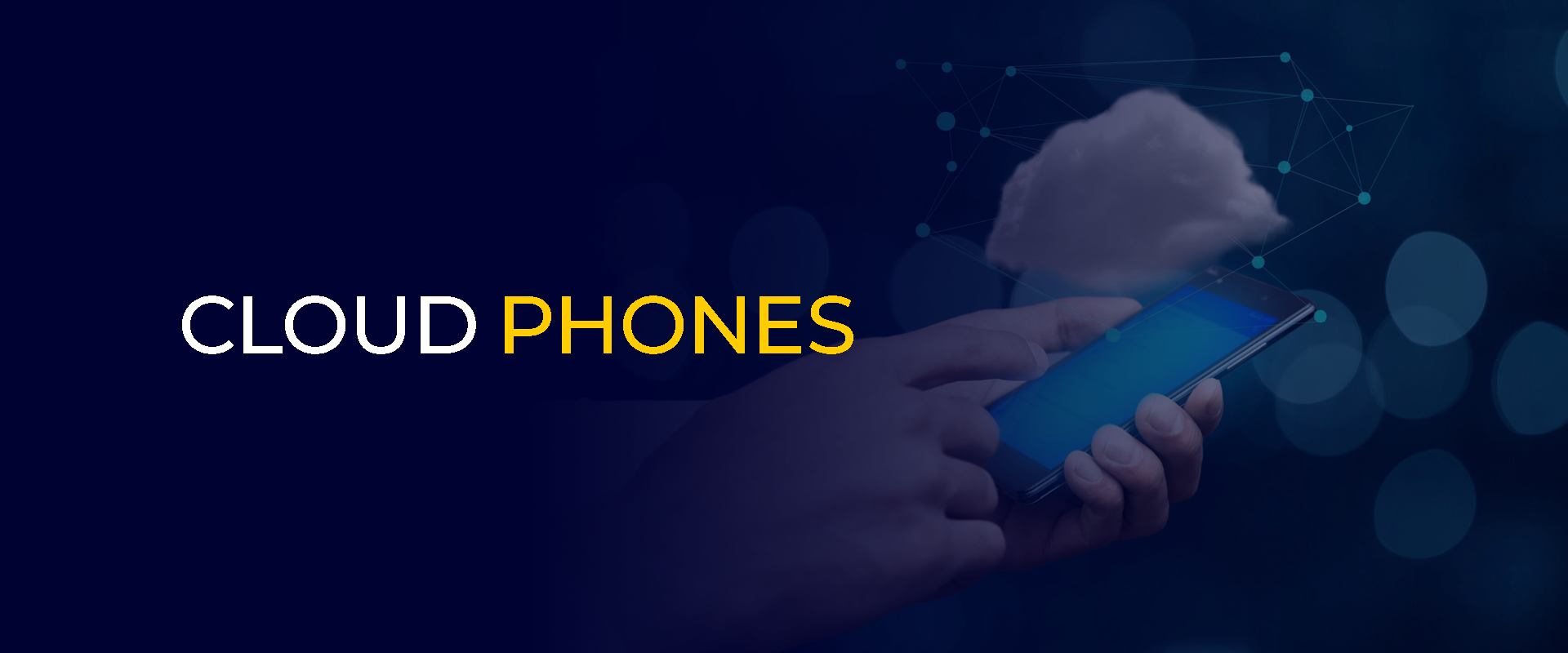
Have you ever used Cloud phones? Do they work the same as regular phones? Let’s picture a very good quality Android phone that operates entirely in the cloud. You can access it from any device, be it a smartphone that you’ve used years ago, a PC, or a tablet, etc. It runs flawlessly regardless of your hardware’s limitations.
TIP – Cloud phones are VoIP services that require a stable and secure internet to function. For this, it’s recommended that you secure your connection with the best VPN. It adds encryption and other security features, keeping you secure online.
With that in mind, it’s exactly how a cloud phone is. Even though this virtual smartphone has been growing rapidly in recent years, there are many who still have a few questions. These include: How does it work? What can we use a cloud phone for? And the biggest question is whether it’s safe. This guide highlights everything there is to know about it.
What is a Cloud Phone?
A cloud phone, also called CPH, is typically a virtual Android smartphone that runs on remote servers instead of a physical device. It operates exactly like a normal calling device, but you can’t physically touch it.
Its operating system, apps, and data all live in the cloud, and you can connect to it or sync it remotely through the internet.
Here is a breakdown of what a cloud phone handles:
- Displaying the video stream of what’s happening on your virtual phone.
- Sending your touch and typing commands back to the cloud.
It handles everything, from heavy processing, running apps, storing data, and performing complex tasks happens on powerful servers located in data centers. In comparison, your physical device is like a window into your cloud phone.
There are some major technology companies that now offer cloud phone services. Some of these include Huawei Cloud, Alibaba Cloud, and China Telecom. Cloud phones were initially created for businesses, but are now also available to individual consumers.
How Do Cloud Phones Work?
Cloud phones rely on several key technologies working together. Here’s how:
- Server-side processing: Cloud phones run on unique servers that come with powerful processors and graphics capabilities. These servers create numerous virtual Android spaces, with each operating as an independent phone.
- Video streaming technology: When you interact with your cloud phone, the server renders everything and sends it to your device as a continuous video stream. Your device sends back your commands, taps, swipes, and typed text. It’s almost like controlling a remote computer.
- Network connection: You will need a stable and fast internet connection. These are the most essential for a smooth cloud phone experience. The quality of your interaction depends heavily on network speed and latency.
- Think of it like streaming a movie: the actual video file sits on a remote server, and you watch it through your screen. With cloud phones, you’re streaming an entire interactive Android experience.
How Do You Use a Cloud Phone?
There are a couple of ways and purposes in which Cloud phones can be used. Here are the most common applications:
For Individuals and Consumers
Here are some instances of how Cloud iPhones are used:
Cloud Gaming
This is one of the most popular uses of Cloud phones. It lets you play graphically intensive mobile games even on older or lower-spec devices. Since the game actually runs on stronger cloud servers, your phone only needs to display the video and send your commands.
All the games load instantly without downloads, and you can play smoothly regardless of how old your device is or how outdated its capabilities are.
Multiple Accounts
Many people use cloud phones to manage multiple social media or gaming accounts, and that too, simultaneously. Instead of constantly logging in and out on one physical device, you can run several cloud phones at the same time.
Privacy and Separation
Some users keep a cloud phone for specific activities they want to segregate from their main devices. These activities include testing apps, accessing certain services, or keeping work and personal life completely separate.
Cloud Phones for Businesses and Organizations
Here is how it works:
Mobile Solutions at Workplaces
Companies that are mostly concerned about data security use cloud phones to let employees access work systems securely. All company data stays in the cloud and never on the employee’s personal device.
This is the best way to avoid any security breaches or vulnerabilities. If a phone is lost or stolen, no sensitive information is compromised. Employees can then access their secure work environment from anywhere, using any device.
To Test Apps
Developers and quality assurance teams use cloud phones extensively to test apps. Instead of maintaining a large inventory of physical devices, they can run tests on dozens or hundreds of cloud phones simultaneously.
Plus, it trumps physical devices because it’s less prone to losing data in case the device is damaged. This approach dramatically reduces hardware costs, improving overall management.
Marketing and Customer Service
Cloud phones are the best for call centers and marketing teams. It helps manage customer interactions across multiple platforms. The cloud infrastructure handles high-volume concurrent connections efficiently.
Live Streaming for Content Creators
Content creators and broadcasters use cloud phones for innovative streaming techniques, including multi-camera setups and virtual presenter apps.
But, there is still one of the biggest questions: “Are Cloud phones secure?”
Are Cloud Phones Safe?
The shortest answer is that they can be very safe; however, the security depends heavily on the provider and how you use them. Let’s discuss this a little deeper:
Security Features of Reputable Cloud Phone Services
- Good cloud phone companies often protect and lock your data using strong encryption. This way, even if someone intercepts it, they can’t read it.
- They store your info across multiple secure servers. This is the best in case one fails, you don’t lose anything.
- You can set up strict login rules, for instance, the very significant multi-factor authentication. This way, only the right people get in.
- These providers are constantly scanning the internet for new threats and push out fixes automatically.
- Many also hold official security certifications (like ISO 27001) and follow privacy laws like GDPR.
Potential Security Risks to Understand
Now, even though Cloud phone companies take the right actions to add protection, cloud phones come with a few inherent risks:
- Provider access: You’re trusting the cloud phone company with your data. They can peek at it, or get hacked and leak it. With this said, always go for a provider with clear privacy rules and a well-known reputation.
- Account theft: Weak passwords or phishing scams very often lead to hackers stealing your login information. If they get in, they see everything.
- Public Wi-Fi risks: Cloud phones need the internet to operate; that’s a given. However, if the internet you’re connected to is unsecure, like public WiFi, snoopers or hackers can easily intercept it.
- Downtime: If the provider’s servers crash or go offline, you’re locked out of your own phone. This can be an issue during major power and internet outages.
- Scams and crime rates: Cybercriminals already use Cloud phones for fraud, for instance, creating fake investment schemes targeting older people. The tech makes them harder to trace.
To Conclude
So, yes, Cloud phones are safe, but nothing is a 100% safe. It lets you run a powerful Android system from any device, even older models. Your data stays in secure data centers, not on your physical devices.
If you choose a big-name provider, they’re generally safe, often safer than what most people set up on their own phones. However, as mentioned, nothing is ever risk-free. You have to trust the provider, need good internet, and you need to be aware of the fact that criminals use them for scams.
All-in-all, Cloud phones are perfect for gaming, for testing apps, and for everyday use. However, for super-sensitive data and tasks, it’s best to use a device that only you have access to entirely.
Take Control of Your Privacy Today! Unblock websites, access streaming platforms, and bypass ISP monitoring.
Get FastestVPN
Subscribe
0 Comments